
Women and Wealth
Navigating Life’s Transitions with Confidence and Clarity
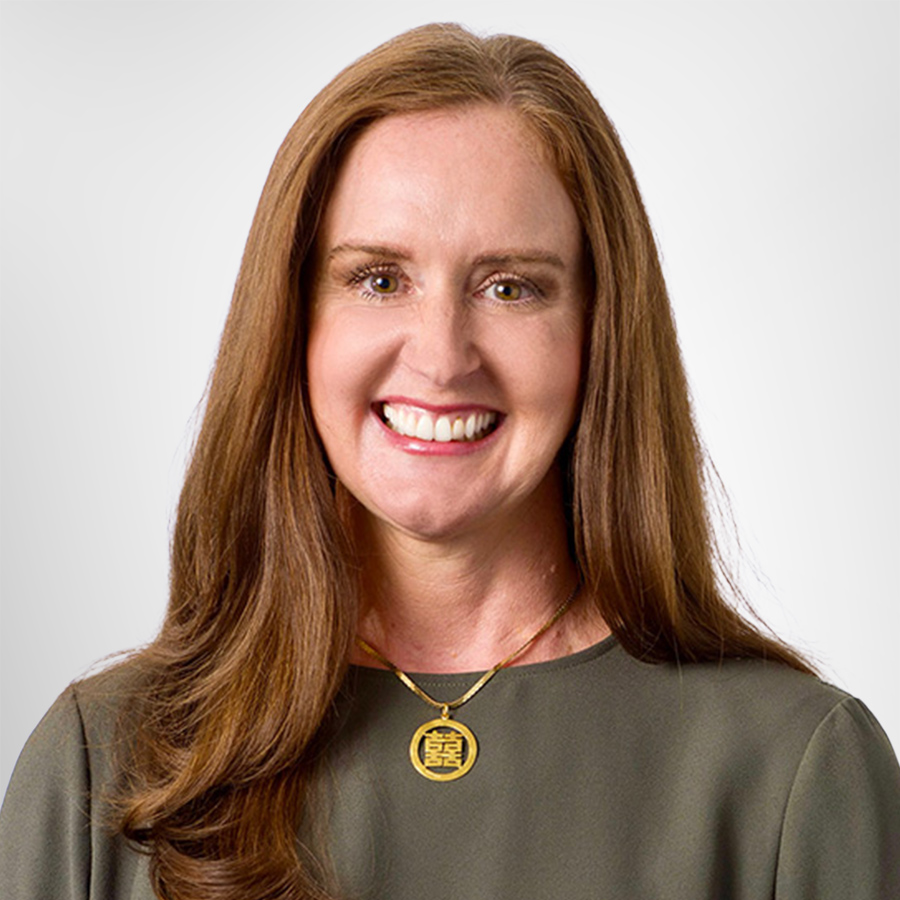
By Elizabeth Shabaker, CFP®, CDC®, Co-Chief Executive Officer
Women today are a growing financial force, controlling more than one-third of U.S. household financial assets, a figure expected to rise dramatically in the coming years.1 Yet despite this upward trajectory, many women still find themselves on the sidelines in key financial conversations, especially when facing major life transitions like divorce, widowhood, inheritance, or career advancement.
I see these pivotal events not as setbacks but as opportunities for financial independence. These are women who are strong, capable, and often simply in need of a thoughtful partner to help them take ownership of their financial life. A recent study2 highlights how relationship status (single, married/partnered, divorced, widowed) plays a powerful role in shaping women’s financial confidence, stress levels, and planning habits.
Pivotal Moments Spark Awareness
Women’s engagement in financial decision-making grows over time, but it usually ramps up sharply after a major life event. For example, 71% of divorced women and 74% of widowed women say they became significantly more involved in their finances after their personal circumstances changed.3
These transitions can be jarring. Divorce can mean the loss of a shared financial strategy, while widowhood brings not only grief but also rarely discussed administrative and tax burdens. Even career advancement or sudden inheritance can feel overwhelming without a plan. But with guidance, these moments can also serve as powerful catalysts, prompting women to take control, set clear goals, and build a new financial narrative.
Confidence Gap
Throughout my nearly 25 years in the financial services sector, I have seen a persistent confidence gap between women and men when it comes to financial planning. Few women say they feel confident in reaching their financial goals. This isn’t about competence, as many women are excellent savers, planners, and budgeters; instead, it’s more about having a clear structure, clarity, and support.
Women often focus on the present, such as making ends meet, building an emergency fund, managing day-to-day expenses, and ensuring their children are set up for success. These are important, but they can crowd out longer-term planning for retirement, taxes, or estate and legacy goals. Uncoupled women—particularly those who are divorced or widowed—may be likely to feel financially insecure, despite often having substantial assets.
Listening
I’ve worked with women at every stage of life and career. Some are new to investing. Others are corporate leaders. Many come to us during an emotional turning point, such as after a divorce, the death of a spouse, or the sale of a family business.
And the first thing I always do is listen.
Far too often, women share that they haven’t felt heard, respected, or understood by those who help them with their finances. Being a holistic wealth advisor is not just about managing wealth; it’s about managing the entire wealth picture. It’s partnering with people on their terms, in their voice, at their pace. Wealth planning is never one-size-fits-all, and especially not when emotions and family dynamics are involved. Asking the right questions and staying quiet long enough to hear the answers is critical before helping someone take the next step.
Wealth is Personal
No two clients have the same story, and no two financial plans should look alike. One woman may be focused on building independence after a divorce. Another may want to preserve her family legacy after the death of her husband, while updating her estate plan. Another may be navigating how to support her children while still planning for her own long-term care.
What they share is a motivation for clarity, partnership, and a strategy that reflects their values. That could mean exploring tax strategies for charitable giving, creating a sustainable income plan, managing their investment portfolio, and preparing the next generation to inherit responsibly.
Moving Forward
It’s never too late (or too early) for women to take control of their financial lives. Whether navigating a life transition or looking to the future of the family, strategic planning can help provide well-being, meaning, security, and a wealth of possibility.
Elizabeth Shabaker, CFP®, CDC, is Co-Chief Executive Officer at Versant Capital Management and develops personalized strategies to help families manage and preserve their wealth, with expertise in family governance, next-generation planning, investments, estate planning, tax strategies, and philanthropy.